

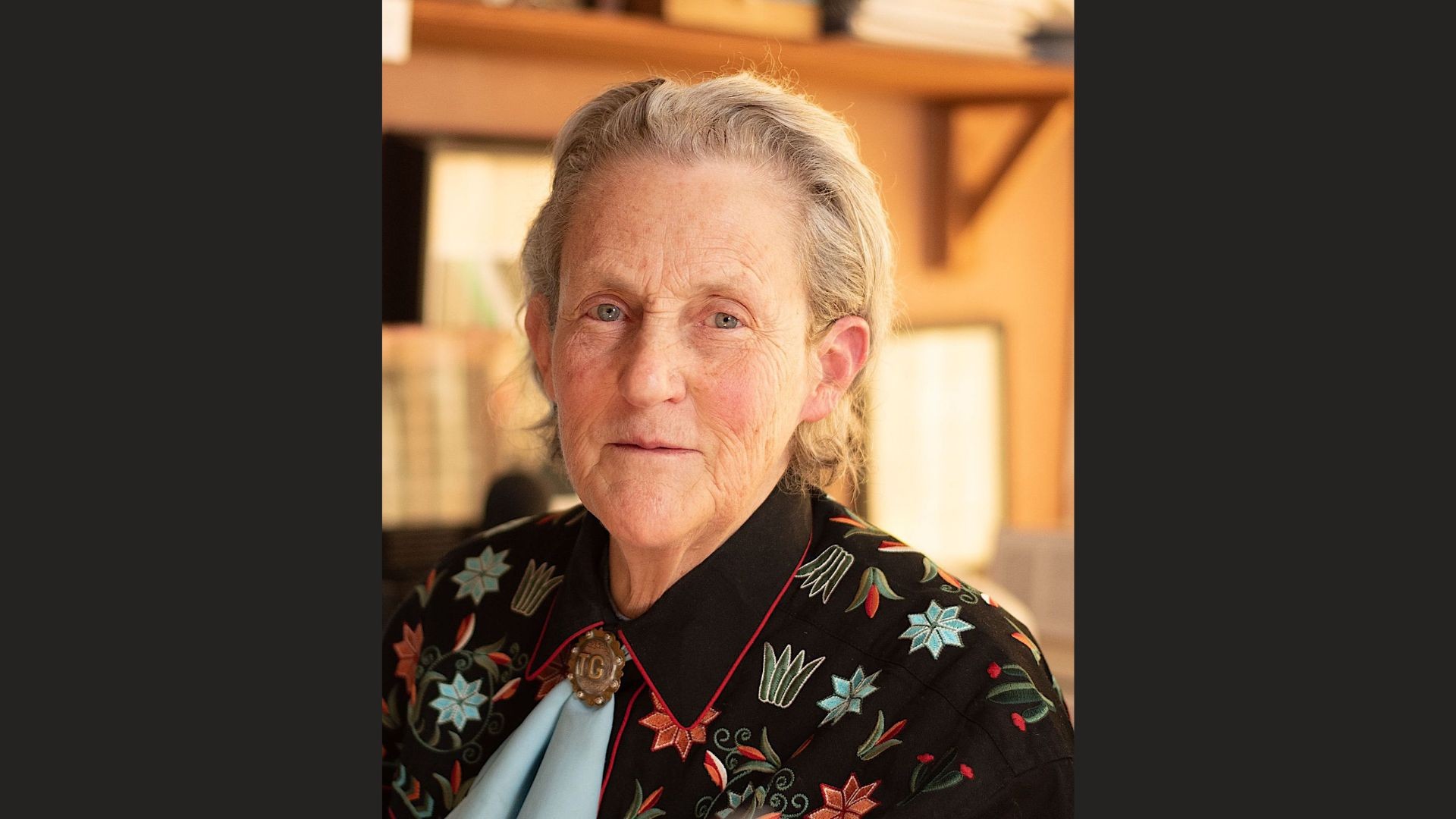
When Dr. Temple Grandin speaks, people pay attention. Recognized in TIME Magazine’s list of the 100 Most Influential People in the World, she has transformed how society understands autism and the many ways people think and learn. Her work has encouraged families, educators and communities to embrace different perspectives and reimagine what success looks like.
On October 14, the University of Maine at Augusta will welcome Dr. Grandin to the Augusta Civic Center for a keynote event titled “All Kinds of Minds.” Her talk will highlight how having all different kinds of thinking enriches classrooms, workplaces and communities, and why recognizing different ways of thinking matters for the future we are building together.
A Distinctive Way of Seeing
Born in 1947, Temple Grandin did not begin speaking until she was about three and a half years old. At a time when autism was little understood, her mother championed her potential, finding teachers and mentors who nurtured her strengths. That encouragement helped Grandin uncover her extraordinary way of engaging with the world.
She describes herself as a visual thinker, someone who processes information in images rather than primarily in words. This skill has shaped her career and her advocacy. By openly sharing her experiences, Grandin has helped others better understand the wide range of cognitive styles that fall under the umbrella of neurodiversity.
Writing New Narratives
Dr. Grandin has authored numerous books that combine science, lived experience and practical insight:
“Thinking in Pictures” (1995) — a groundbreaking memoir explaining how her visual mind works, reshaping public understanding of autism.
“Different, Not Less” (2012) — highlighting the lives and successes of autistic adults, challenging stereotypes and showing the value of diverse thinkers.
“The Autistic Brain” (2013, co-authored with Richard Panek) — blending neuroscience with personal narrative to frame both the challenges and the strengths of autism.
“Visual Thinking” (2023) — explains the research behind different kinds of thinking
Her writing emphasizes that autism is not solely a list of deficits but part of the natural diversity of human minds, each capable of unique contributions.
Autism and Thinking Differently
Grandin’s message extends far beyond the autism community. She has sparked wider conversations about how schools and workplaces can adapt to diverse learning and problem-solving styles.
Every classroom includes students who process information differently, and every workplace has individuals whose talents flourish when the environment is supportive. Neurodiversity, she reminds us, is not a niche issue. It is a reality that touches every community.
Why UMA’s Event Matters
Dr. Grandin’s keynote aligns closely with UMA’s mission. For 60 years, UMA has opened doors for Mainers of all ages and backgrounds, including nontraditional students balancing school with work and family, and first-generation learners navigating higher education for the first time.
At UMA, recognizing that there is no single way to learn or to succeed is more than theory. It is daily practice. Dr. Grandin’s message reinforces the university’s long-standing commitment to creating flexible, respectful pathways for every student.
Looking Ahead
As UMA celebrates its 60th anniversary, welcoming Temple Grandin serves as a powerful reminder of why the mission matters: education that honors different backgrounds, different goals and different ways of thinking.
All kinds of minds belong here, and all kinds of minds can thrive.