

The University of Maine at Augusta (UMA) and the University of Maine at Farmington (UMF) have completed a three-year workforce initiative that strengthens Maine’s behavioral health and recovery workforce by reducing financial barriers for aspiring counselors and employment specialist services.
Funded through a $325,332 award from the Maine Jobs & Recovery Plan, the initiative was supported by the University of Maine System’s share of funding designated for workforce development. The Maine Jobs & Recovery Plan, proposed by Gov. Janet Mills and approved by the 130th Maine Legislature to invest the state’s share of federal American Rescue Plan relief funds.
Through this investment, UMA and UMF supported career development support and job training assistance for 400 people statewide. The project also provided direct financial support to 105 University of Maine at Augusta and University of Maine at Farmington students pursuing credentials in substance use disorder counseling and employment specialist services. Employment specialists are trained professionals who help individuals in recovery, people with disabilities and others facing barriers to employment secure and maintain meaningful work.
Maine continues to face shortages of qualified professionals in mental health, substance use recovery and human services. The initiative focused on expanding access to these high need professional pathways and reducing financial and logistical barriers that often prevent adult and nontraditional students from advancing to licensure.
“Our goals were to increase the number of students preparing to work as employment specialists and substance use disorder treatment counselors,” said Associate Professor of Mental Health and Human Services Wendy St. Pierre. ”We targeted reducing barriers to access by covering tuition costs, as well as the cost of taking the national exam and accessing study guides. I am proud of the work my colleagues and I have done to support students with the grant funds we received.”
Funding was allocated to the University of Maine System through the office of the Vice Chancellor for Research and Innovation.
“Supporting Maine’s behavioral health workforce is central to UMA’s mission and our commitment to meeting the needs of the state,” UMA President Jenifer Cushman said. “This initiative shows what is possible when we remove financial barriers and create real pathways for people who want to enter helping professions. UMA is proud to work with UMF to expand access to education and strengthen the network of professionals who provide essential services across Maine.”
Direct Student Support
More than half of the MJRP funding went directly to students, prioritizing tuition assistance and licensing-related expenses over equipment and infrastructure. Support provided through fall 2025 includes:
Tuition scholarships
- 49 UMA students supported for 486 credits across 162 courses
- 56 UMF students supported for 168 credits across 56 courses
Licensing and exam resources
- Seven UMA students passed the national Certified Alcohol and Drug Counselor exam and had exam fees reimbursed.
- Twenty-five UMA students received free national exam study guides
- 48 additional study guides were distributed across UMA centers, libraries and faculty-led groups
For many students, the financial support was pivotal, allowing them to focus more fully on their coursework and professional goals.
“Receiving tuition assistance for the Employment Specialist course alleviated the financial burden I would have faced and allowed me to focus fully on my coursework,” said student and program participant Rudy Rideout. “Without that stress, I was able to fully immerse myself in the course content, engage with the additional opportunities the classes had to offer and perform at my highest level academically. I will use these credentials to assist future clients in finding jobs best suited to them and their individual needs.”
For others, the grant opened a path toward meaningful work shaped by personal experience and a commitment to helping their communities.
“I am deeply grateful for the grant that supported my Substance Abuse Response Team certification. It made it possible for me to complete the program, pass my CADC exam and begin applying for roles in the field,” said student Jacqueline Campbell. “This work is very personal for me. I lost both my sons, each touched by addiction, and pursuing this path has helped me turn my grief into purpose. The scholarship opened a door to healing and to a future where I can support other families facing similar challenges.”
Building Workforce Capacity
The initiative strengthened long-term workforce solutions, including:
- Development of a new employment specialist educational program, which will be offered again at UMA in summer 2026.
- Employment of three undergraduate research assistants
- Launch of an Institutional Review Board-approved study, now involving 43 students to examine the initiative’s ongoing impact.
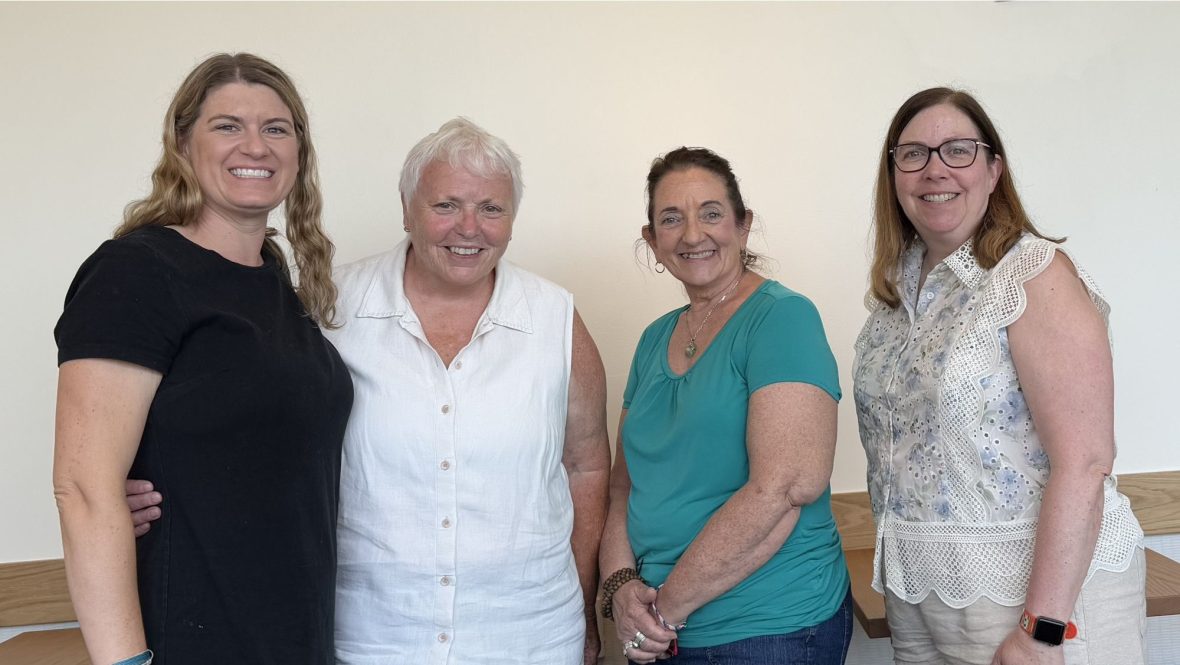
The project was led by four UMA and UMF faculty members, all UMF alumni, who brought shared expertise and a commitment to supporting students entering human services and behavioral health careers.
Commitment to Statewide Access and Workforce Development
The UMA–UMF collaboration reflects UMA’s mission to expand access to education and support Maine’s workforce needs. By lowering barriers to credentials in behavioral health and recovery fields, the project helps meet growing statewide demand for licensed professionals who provide essential services.