

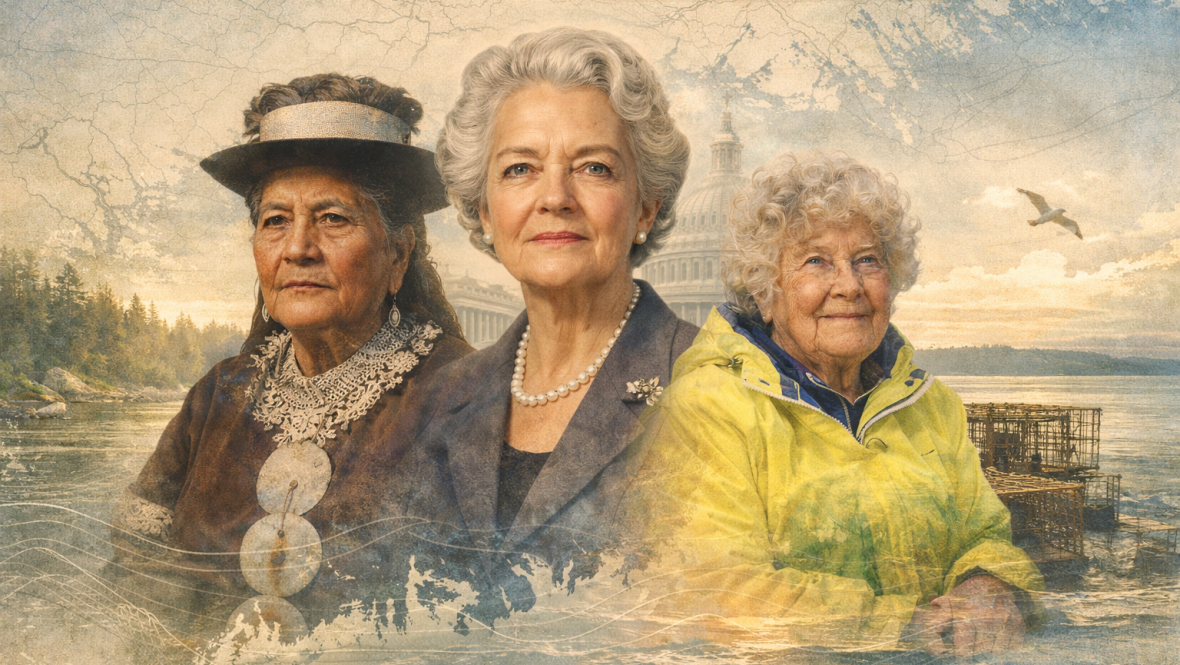
As we welcome the month of March, we are taking time at UMA to reflect on the significance of Women’s History Month. This is more than just a date on the calendar; it is a vital opportunity to acknowledge the achievements and contributions of women, past and present, who have fundamentally shaped the world we live in today.
The Roots of the Celebration
The journey toward this month-long recognition began with the first International Women’s Day in 1911, eventually leading to formal recognition by the United Nations in 1977.
In the United States, Women’s History Month was officially designated by Congress in 1987. This designation was a direct response to a simple truth: for too long, the contributions of women had been overlooked in our collective history. By setting aside this time, we ensure those stories are told and those legacies are honored.
Maine’s Unique Legacy
Here in Maine, we are especially proud of the figures who paved the way for others.
Molly Molasses (Mary Agatha):
A respected Penobscot elder born in the late 1700s, Molly Molasses was known for her wisdom, oral storytelling, and advocacy for her people’s sovereignty during a time of intense cultural upheaval. Living much of her life near Old Town, Maine, she preserved and shared Penobscot traditions, language, and history with younger generations and outsiders alike. Her legacy endures as a symbol of Indigenous resilience and voice in Maine’s early history.
Margaret Chase Smith:
Born in Skowhegan, Maine, Margaret Chase Smith broke historic ground in American politics as the first woman to serve in both the U.S. House and Senate. A Republican leader during the mid-20th century, she became known for her “Declaration of Conscience” speech in 1950, condemning McCarthyism and defending the rights of individuals to think freely. Smith’s courage and integrity continue to make her one of Maine’s most influential political figures.
Virginia “Ginny” Oliver:
Known affectionately as the “Lobster Lady,” Virginia “Ginny” Oliver began hauling traps as a young girl in 1920s Rockland. She dedicated over 90 years to Maine’s lobster industry, famously continuing to work the waters alongside her son well past her 100th birthday. Though she never sought the spotlight, Ginny quietly shattered age and gender barriers in a male-dominated field. Her life remains a testament to everyday leadership and devotion, leaving behind a legacy of courage that will continue to inspire Maine’s working waterfront and future generations of fishermen.
We honor these leaders alongside the countless educators, activists, and artists who have defined our state’s history through their courage and vision.
Our Commitment at UMA
At UMA, we strive to be an environment where every individual, regardless of gender, has the opportunity to lead and inspire change.
This month, we celebrate the diverse contributions of women from all identities and backgrounds within our own campus community. We all benefit from the resilience and leadership women bring to our academic and professional lives. It is essential that we continue to uplift and support one another, ensuring that every person at UMA feels respected, heard, and valued.
How to Get Involved
Throughout March, we encourage the UMA community to engage with the stories and events that highlight the impact of women on our history:
- Participate: Join local events, discussions, and campus activities scheduled throughout the month.
- Reflect: Take time to learn about the women who have made a difference in your specific field of study or profession.
- Support: Let’s carry this spirit of equality and respect forward—not just this month, but every day.
Thank you for being a part of our shared commitment to building a future of opportunity for everyone.
Check out local events commemorating Women’s History Month on UMA’s Heritage Month Calendar as well as learning resources concerning the significance of Women’s History Month in Maine and beyond. You can keep up with more content like this by subscribing to the calendar and submitting events and resources to promote inclusion and belonging in our community.