

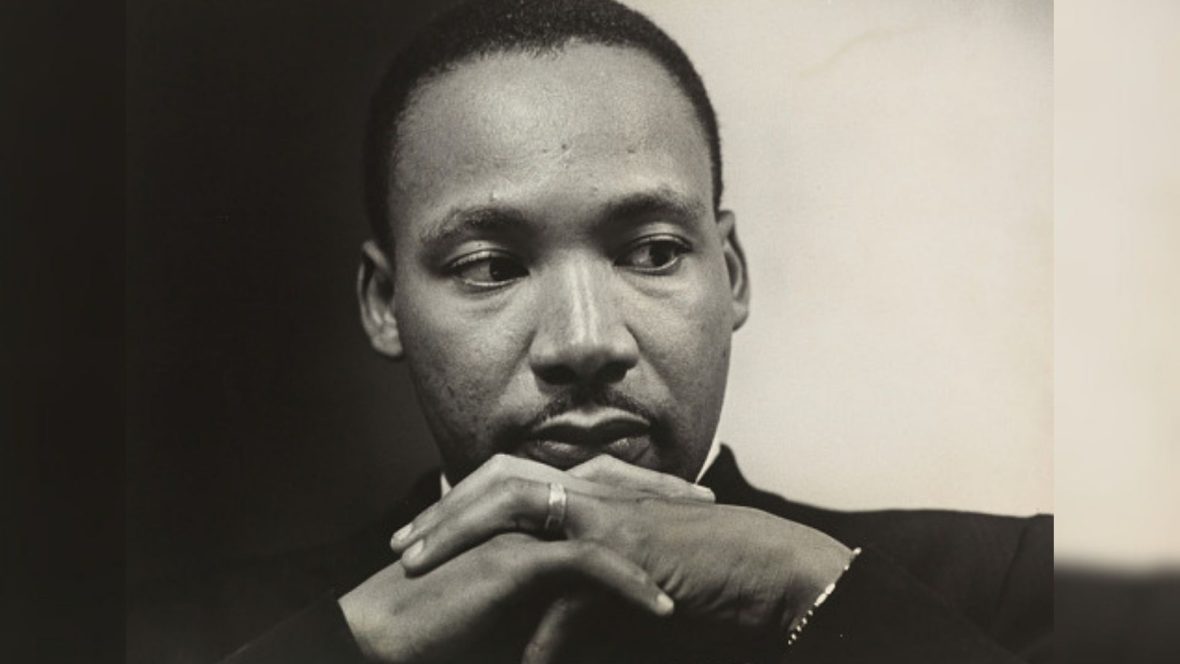
On Monday, January 19, UMA will commemorate the life and legacy of Dr. Martin Luther King Jr. Martin Luther King Jr. Day is observed as a time for reflection, service and learning, honoring a leader whose work reshaped the nation and continues to influence movements for justice and opportunity around the world.
Dr. King was a Baptist minister, Nobel Peace Prize recipient and a central leader of the Civil Rights Movement. Through his advocacy for nonviolent resistance, racial equality and voting rights, he helped lead the nation through a period of profound change. His leadership in efforts such as the Montgomery Bus Boycott, the Birmingham Campaign and the March on Washington challenged entrenched systems of segregation and discrimination, while his speeches and writing called the country to live up to its highest ideals of fairness and human dignity.
Beyond his public leadership, Dr. King believed deeply in the power of education to transform lives and communities. He viewed learning as a pathway to opportunity and civic responsibility, and he emphasized the importance of building communities grounded in respect, belonging and shared purpose. These beliefs helped shape national conversations about justice, access and participation that continue today.
For UMA, Dr. King’s legacy resonates deeply. UMA celebrates Martin Luther King Jr. Day because his vision aligns closely with the university’s mission to expand access to education for students of every age and background. As an institution committed to being welcoming, accessible and student-centered, UMA recognizes education as a catalyst for positive change, one that opens doors, removes barriers and empowers individuals to contribute meaningfully to their communities.
MLK Day also serves as a call to action. Dr. King reminded us that progress depends on collective effort and civic engagement. In that spirit, members of the UMA community are encouraged to use this day to learn, to serve and to engage in thoughtful conversation that strengthens connection, understanding and shared responsibility. Honoring Dr. King’s legacy means carrying forward his commitment to justice through everyday actions and institutional purpose, not only on this day, but throughout the year.
Both UMA campuses and all centers will be closed on Monday, January 19, in recognition of Martin Luther King Jr. Day. Students, faculty and staff are invited to participate in local events and explore educational resources that reflect on Dr. King’s life, leadership and enduring impact.
As UMA commemorates Martin Luther King Jr. Day, the university reaffirms its shared purpose: believing in people, investing in their potential and helping transform lives through education.
Read further to discover learning resources concerning the significance of MLK Day in Maine and beyond, and visit UMA’s Heritage Month Calendar to discover local events commemorating MLK Day.
Museums, Books, and Further Learning Opportunities
- For more information on the day’s history, read about the life and work of Dr. King at the Atlanta-based The King Center. If you want to take action, support the African American community and the ongoing cause of racial justice.
- Attend parades and museums that honor the Day. You can explore and support the work of the Smithsonian National Museum of African American History & Culture. Check out their website for upcoming events celebrating the life of Dr. Martin Luther King, Jr.
- If you want to know more and learn the history of racial discrimination in the United States, add an anti-racist reading list to your New Year’s resolutions. You can either read the books for free through the UMA library or The Internet Archive or if you are able, support the authors by purchasing their books.
Teaching Resources about the achievements of Dr. Martin Luther King, Jr.
- Lessons and resources about Dr. Martin Luther King Jr. and the Civil Rights Movement beyond “I have a dream.”
- The Martin Luther King, Jr. Research and Education Institute at Stanford University houses a large collection of King’s speeches, sermons, published writings, and correspondences.
- Use the New York Times Learning Network resource list to teach about anti-Black racism year-round and a historical archive of articles about Dr. King.
- Virtual Martin Luther King, Jr. Project offers beginner-level students experience with a historic speech and introduces them to the concept of being in dialogue with a text through the re-envisioning and re-enactment of a speech. Dr. Elizabeth Nelson first developed this set of pedagogical tools at North Carolina State University.