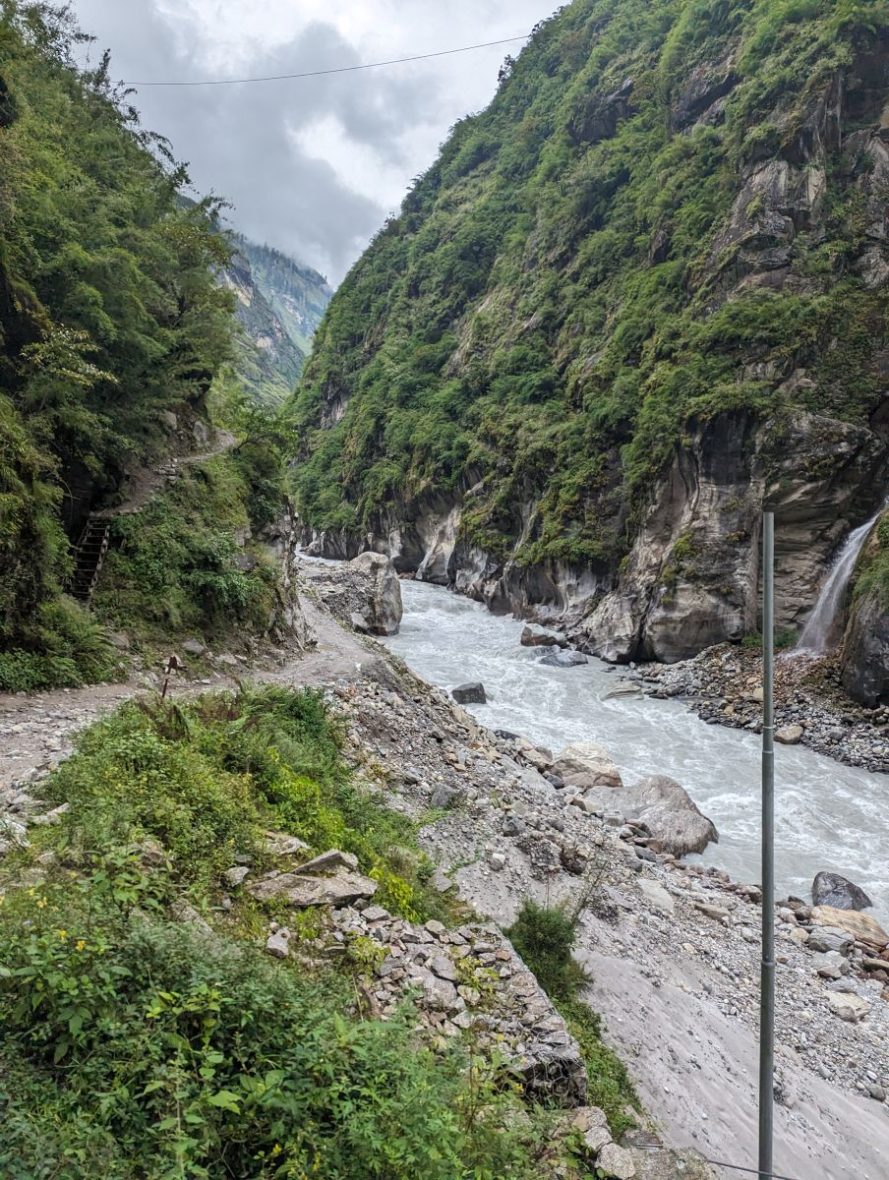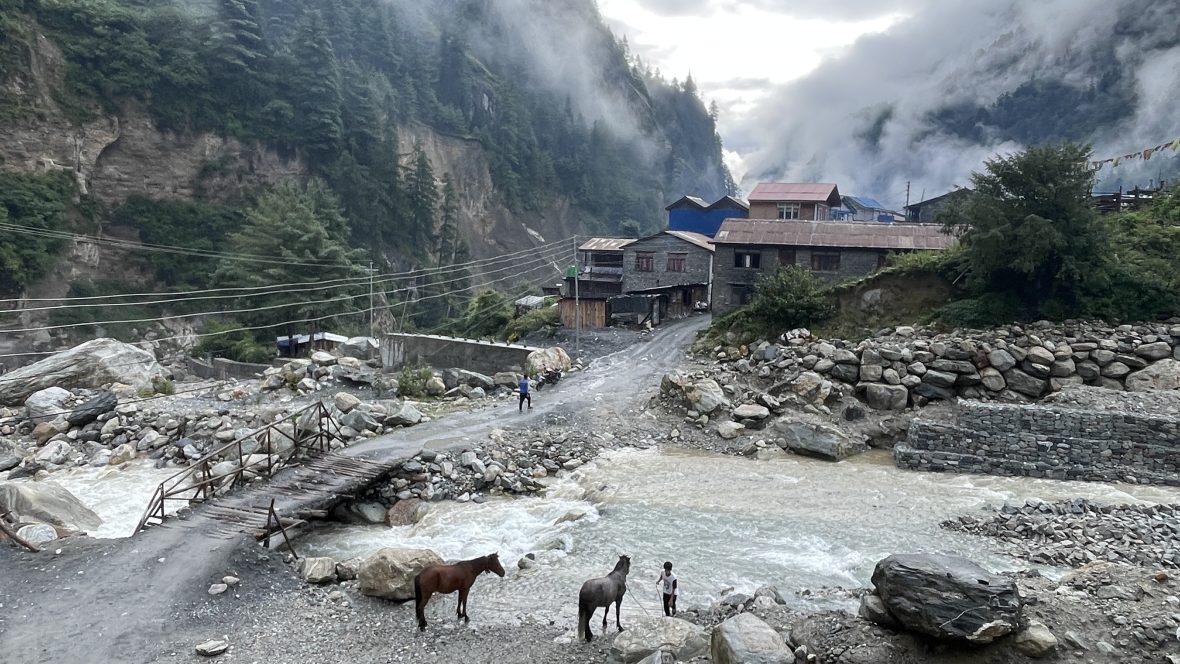

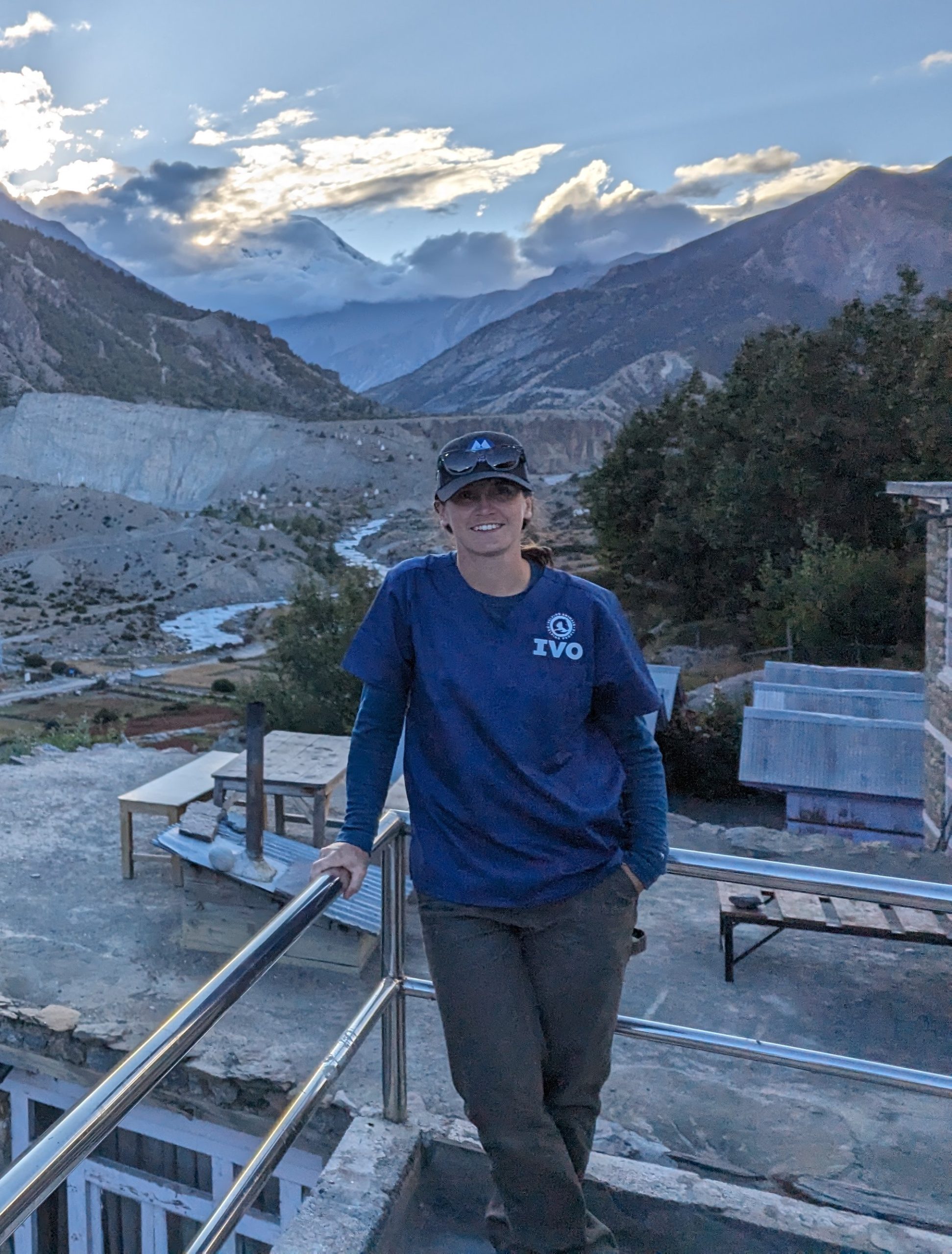
When Dr. Kelby Myers packed her bags for the remote Himalayas of Nepal, she carried more than medical supplies—she brought the kind of expertise that transforms lives, even across continents. A veterinarian and instructor at the University of Maine at Augusta, Myers was handpicked for an international mission that would prove how one skilled professional can create lasting change.
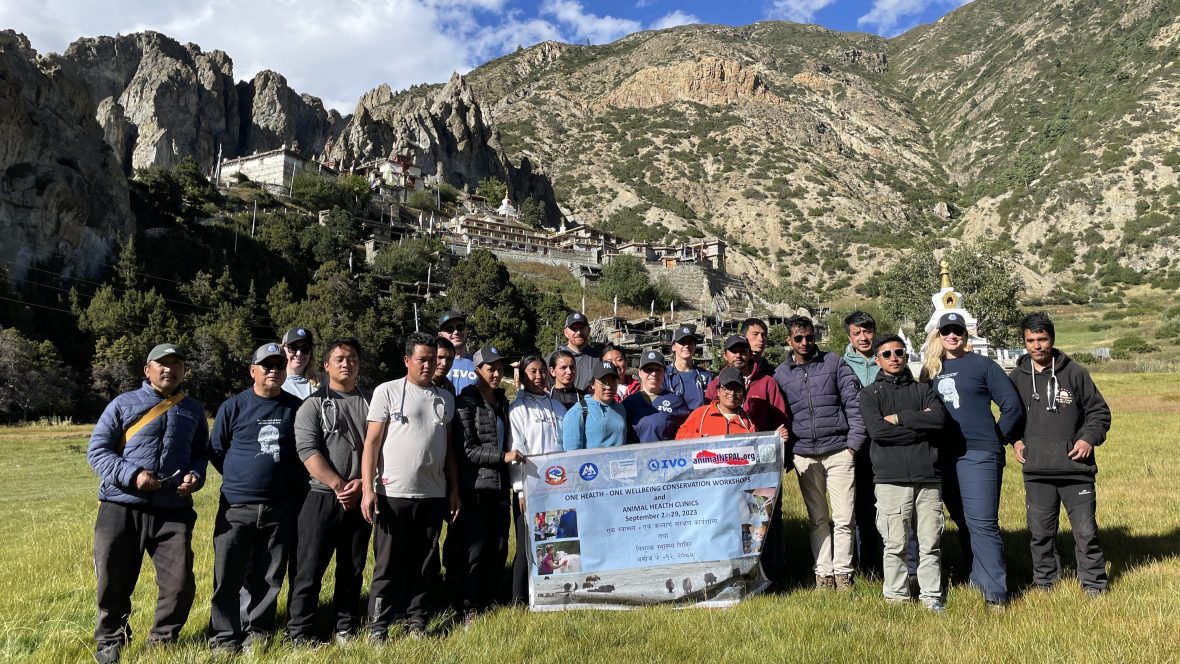
The mission was ambitious: help save endangered snow leopards while improving veterinary care in Nepal’s isolated Manang Valley. Snow leopards face a deadly threat—not just from habitat loss, but from diseases carried by domestic animals and fearful herders who kill leopards to protect their livestock. Myers joined a team sponsored by the Snow Leopard Conservancy and International Veterinary Outreach, knowing that better animal care could mean the difference between extinction and survival for these magnificent cats.
Myers was the perfect choice. After earning her doctorate at Oregon State University, she built a career spanning equine medicine, large animal practices, and Traditional Chinese Veterinary Medicine. But it was her combination of medical expertise, teaching excellence, fitness as an endurance athlete, and adventurous spirit that made her invaluable.
Myers work in Nepal revealed the power of education to transform entire communities. The region’s veterinary technicians, typically the youngest and most inexperienced due to the isolation of these remote assignments, had been operating without adequate equipment, resources, reference materials, or experienced mentorship. Diseases that would devastate American agriculture were routine occurrences. “The technicians were in way over their heads,” Myers recalls. Without proper diagnostic tools or training support, even basic veterinary skills were challenging to develop.
Rather than simply treating animals, Myers and her team pivoted to what mattered most: education. They taught basic diagnostic skills, animal welfare, and disease prevention. They showed herders how to distinguish between wolf and cat kills, how to shelter animals safely, and distributed fox lights to confuse night-time predators. Most importantly, they demonstrated that compassionate care could replace dangerous and painful practices.
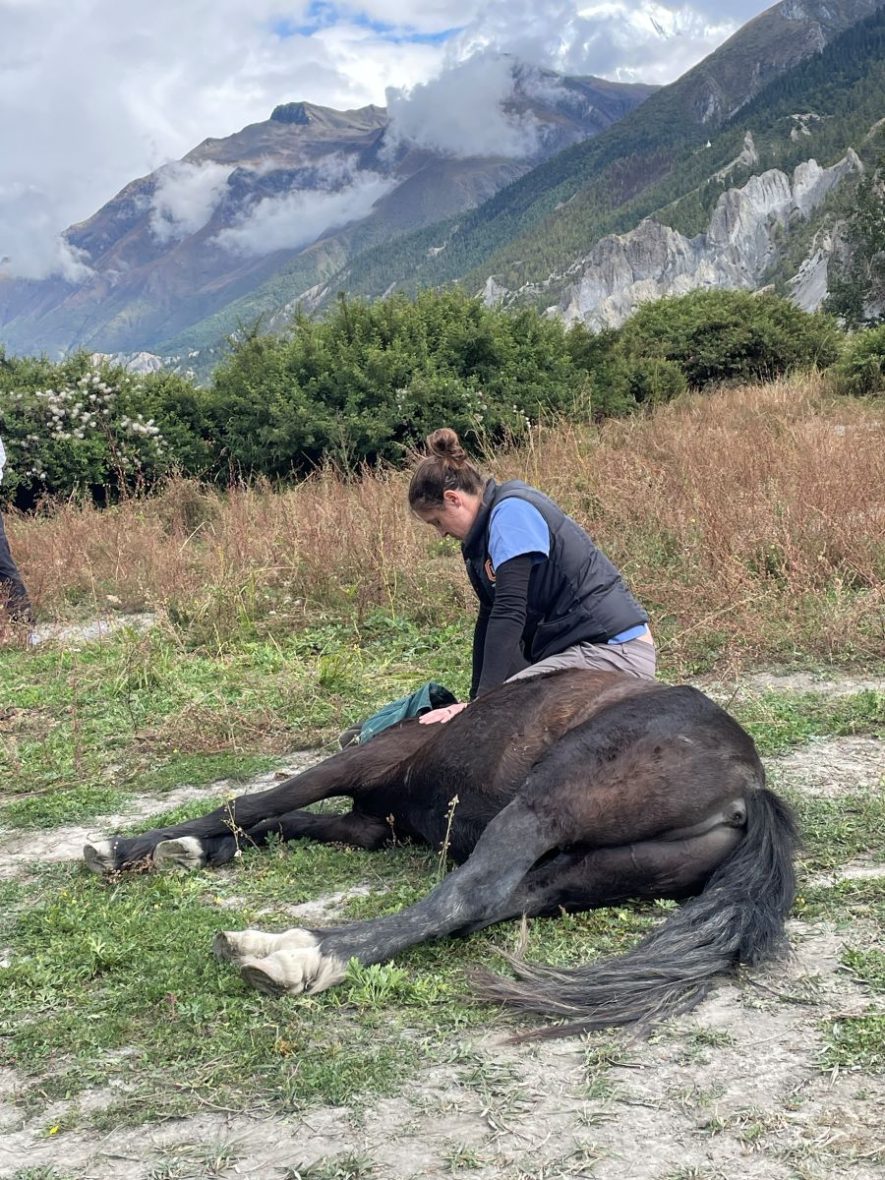
The breakthrough moment came on their final day. A horse owner arrived with his prized racehorse for castration, a procedure that local practitioners performed without anesthesia or pain medication, simply because they lacked access to better methods. “I told him I didn’t need the restraining ropes,” Myers explains. “I have medicine for that; he won’t feel a thing.” Using field anesthesia, she performed the operation while local technicians crowded around to learn. When the horse stood up gently, with no bleeding, the grateful owner had tears in his eyes.
That single procedure encapsulated everything the mission represented: how knowledge, compassion, and proper training can revolutionize care. The impact extends far beyond one horse: healthier livestock means fewer leopard kills, better-trained technicians can serve entire regions, and conservation efforts gain community support.
Back in Maine, Myers brings this global perspective to UMA’s Veterinary Technology Program on the Bangor campus. UMA’s Vet Tech program is the only one in the state offering both Associate and Bachelor degrees. Her students don’t just learn technical skills; they’re prepared to become part of a skilled workforce ready to serve Maine’s communities and beyond, wherever they choose to practice. With a near-100% job placement rate and state-of-the-art facilities, the program reflects UMA’s commitment to breaking down barriers between students and their dreams.
Dr. Myers’ journey from Maine to the Himalayas and back demonstrates how compassionate professionals who see a need and choose to act can create transformation in communities, and sometimes across the world.
Learn more about UMA’s Veterinary Technology Program and discover how you can join this tradition of excellence. uma.edu/vettech
Check out this short documentary video that explores the One Health One Welfare Initiative the Snow Leopard Conservancy (SLC) embarked upon in the Manang District of Nepal together with its partners, International Veterinary Outreach (IVO), Animal Nepal, and Mountain Spirit.