
Employers & Clinical Partners

Strengthening Maine’s nursing workforce

At UMA, we’re preparing resilient, practice-ready nurses through our integral-holistic program. Our relationships with clinical partners across the state are essential to providing students with the hands-on experience they need to become collaborative, resourceful members of the nursing workforce.

The UMA difference

We’re Maine’s only holistically-endorsed nursing program, a distinction we share with just 17 other schools across the country. Our curriculum integrates holistic practices at every level, shaping how students learn, reflect, care for their patients, and care for themselves. The training UMA nursing students and graduates receive translates to highly competent, collaborative performance in the workplace.

  • Higher patient satisfaction scores
  • Stronger interdisciplinary communication
  • Reduced nurse burnout
  • Clinical reasoning grounded in evidence
  • Confidence in clinical skills

“We are committed to nurturing the growth of compassionate professional nurses who will embody the values of holistic caring—using their wisdom, heart, and soul to make a difference.”

Become a clinical partner

Help shape the next generation of nurses while gaining early, firsthand access to top-tier emerging talent. Our faculty works closely with your team to ensure students provide safe, high-quality, compliant patient care during their rotations.
Nursing Workforce Contact
First
Last
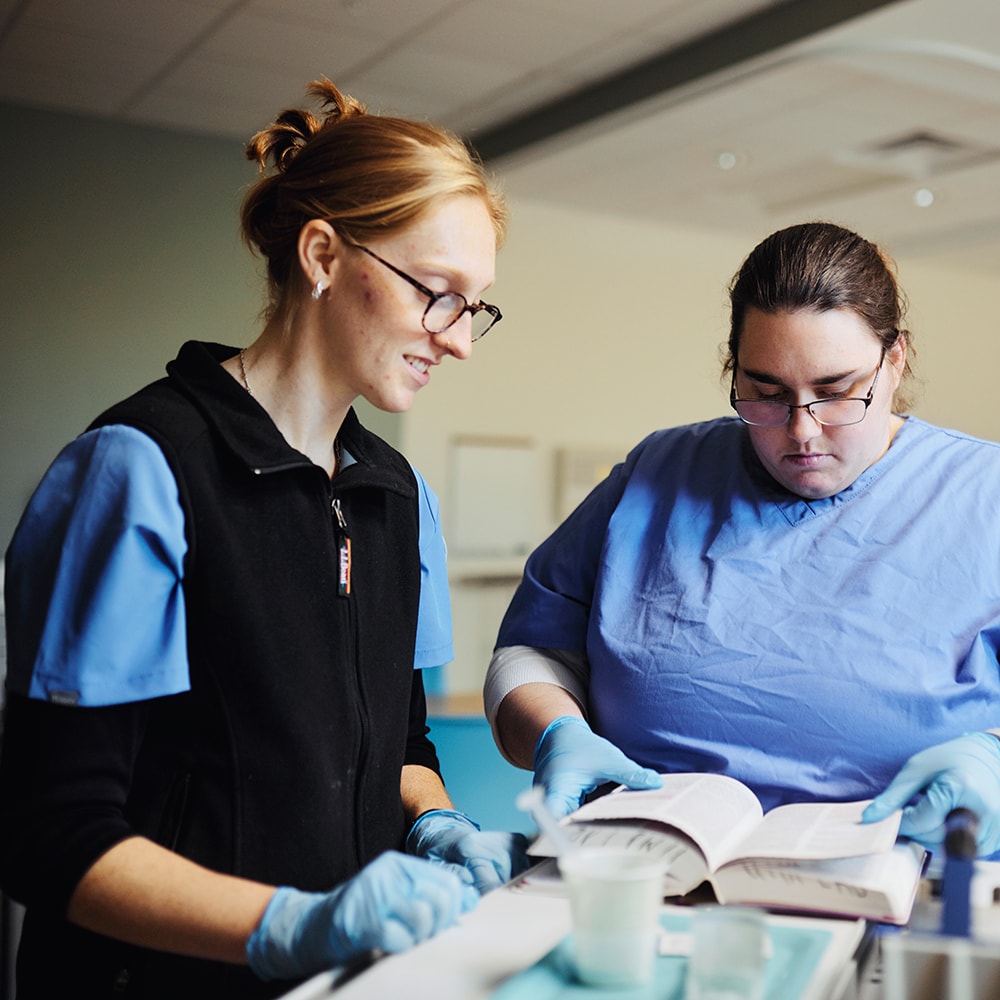
uma nursing student studying

Capital Center for Nursing & Cybersecurity Workforce Development

Maine is projected to face a shortage of more than 2,800 registered nurses by 2030. With the support of MaineGeneral Health and Maine’s congressional delegation, the Capital Center in Augusta was built to help close that gap. The 21,000-square-foot facility gives nursing students hands-on training in simulation labs built to reflect the clinical environments where they’ll actually work.
FAQs

Before graduating and sitting for the NCLEX-RN licensure exam, Prelicensure BSN students at the University of Maine at Augusta (UMA) undergo an extensive sequence of hands-on simulation labs and direct patient-care clinical rotations. 

  • High-fidelity simulation labs: Before working with real patients, students log mandatory hours in state-of-the-art simulation labs (available at UMA’s Augusta, Bangor, Ellsworth, and Lewiston locations, as well as the UMF partnership campus). These labs feature advanced medical mannequins and replicate high-stakes hospital environments so students can safely practice critical thinking, emergency response, and technical skills.
  • Foundations of Nursing & Health Assessment (Year 3): This serves as the entry point to hands-on clinical application. Students learn the foundational skills of patient hygiene, safety protocols, medication administration, and comprehensive head-to-toe physical assessments.
  • Community and Global Health Clinical (NUR 357): Students complete 60 hours of distinct public health and community-based rotations. Rather than working in a traditional hospital, students partner with local public health agencies, schools, and community clinics to focus on population-wide wellness and outpatient care.
  • Acute care & specialty rotations (Years 3 & 4): Students cycle through rigorous, faculty-supervised direct care placements in regional medical centers. These rotations cover the core pillars of professional nursing:
  • Medical-Surgical Nursing (Caring for Adults I & II)
  • Geriatric Care (Caring for Aging Adults)
  • Psychiatric & Mental Health Nursing (Mental Health and Wellness)
  • Holistic Nursing Clinical Practicum (NUR 450): In the final semester of senior year, students complete an intensive clinical immersion. Instead of being in a traditional clinical group, students are paired one-on-one with a professional Registered Nurse preceptor. This capstone allows students to work the actual shift schedule of their preceptor, manage realistic patient loads, and experience the day-to-day rhythm of a working nurse.

UMA offers Maine’s only holistically-endorsed nursing program, a distinction we share with just 17 other schools across the country. While students learn the exact same rigorous medical-surgical skills, pharmacology, and anatomy required to pass the NCLEX-RN as any traditional BSN student, the philosophy and framework governing how you learn are fundamentally different. 

  • Curriculum: The integral-holistic framework of our curriculum is rooted in established nursing theories like Jean Watson’s Theory of Human Caring and Barbara Dossey’s Theory of Integral Nursing. Students are trained to view the patient not as a diagnosis, but as an interconnected ecosystem of biological, psychological, spiritual, social, and environmental factors that all dictate healing.
  • Focus on nurse self-care: To take care of others, you must know how to take care of yourself. Our program explicitly weaves self-reflection, mindfulness, and personal wellness into the coursework (such as the Nursing Success Seminar and specific learning outcomes tied to self-healing). Students are graded on their ability to develop sustainable self-care practices, a structure designed to protect your mental health before you even enter the workforce.
  • Complementary & integrative therapies: While fully grounded in evidence-based Western medicine, our program’s curriculum actively teaches students how to safely integrate non-pharmacological, complementary modalities. Students explore health coaching, nutrition, stress-management techniques, mindfulness, and environmental adjustments to facilitate a patient’s natural healing process alongside their standard medical treatments.
  • Direct pathway to Holistic Certification: Because of UMA’s rare AHNCC endorsement, all graduates are immediately fast-tracked and qualified to sit for the national Holistic Nurse Certification (HNC) exam right alongside the NCLEX. This allows students to enter the job market with a distinct, highly desirable dual credential.

The overwhelming majority of pre-licensure BSN students follow a traditional cohort track that finishes in the spring. Because UMA offers multiple entry pathways (including Fall and Spring application cycles, as well as the online RN-to-BSN track), coursework completion can vary. To accommodate this, UMA officially confers degrees three times a year:

  • May (Spring Semester)
  • August (Summer Semester)
  • December (Fall Semester)

In addition to UMA’s RN-to-BSN Completion program, we offer a variety of professional development & lifelong learning opportunities for working nurses.

  • Graduate Certificate in Substance Use Disorders: This program provides targeted, evidence-based training in addiction, intervention, and recovery frameworks, which can count significantly toward advanced professional development or specialization portfolios.
  • Professional development & lifelong learning alignment: If you are already a board-certified Holistic Nurse, taking individual upper-level nursing courses at UMA can often be utilized to meet the continuing education and re-certification requirements mandated by the AHNCC.

For quick, single contact hours or specific one-off clinical modules to fulfill your standard biannual state license renewal, UMA does not host a commercial, on-demand nursing CEU platform.

Because of UMA’s flexible location model, we maintain an expansive network of healthcare partners across the state. Clinical placements vary based on a student’s location, but typically include:

  • Major regional hospitals and acute-care medical centers (such as MaineGeneral Medical Center or Northern Light Health facilities)
  • Long-term care, memory care, and rehabilitation centers
  • Home health agencies, public schools, and community-based wellness centers

Have questions? We want to hear from you.

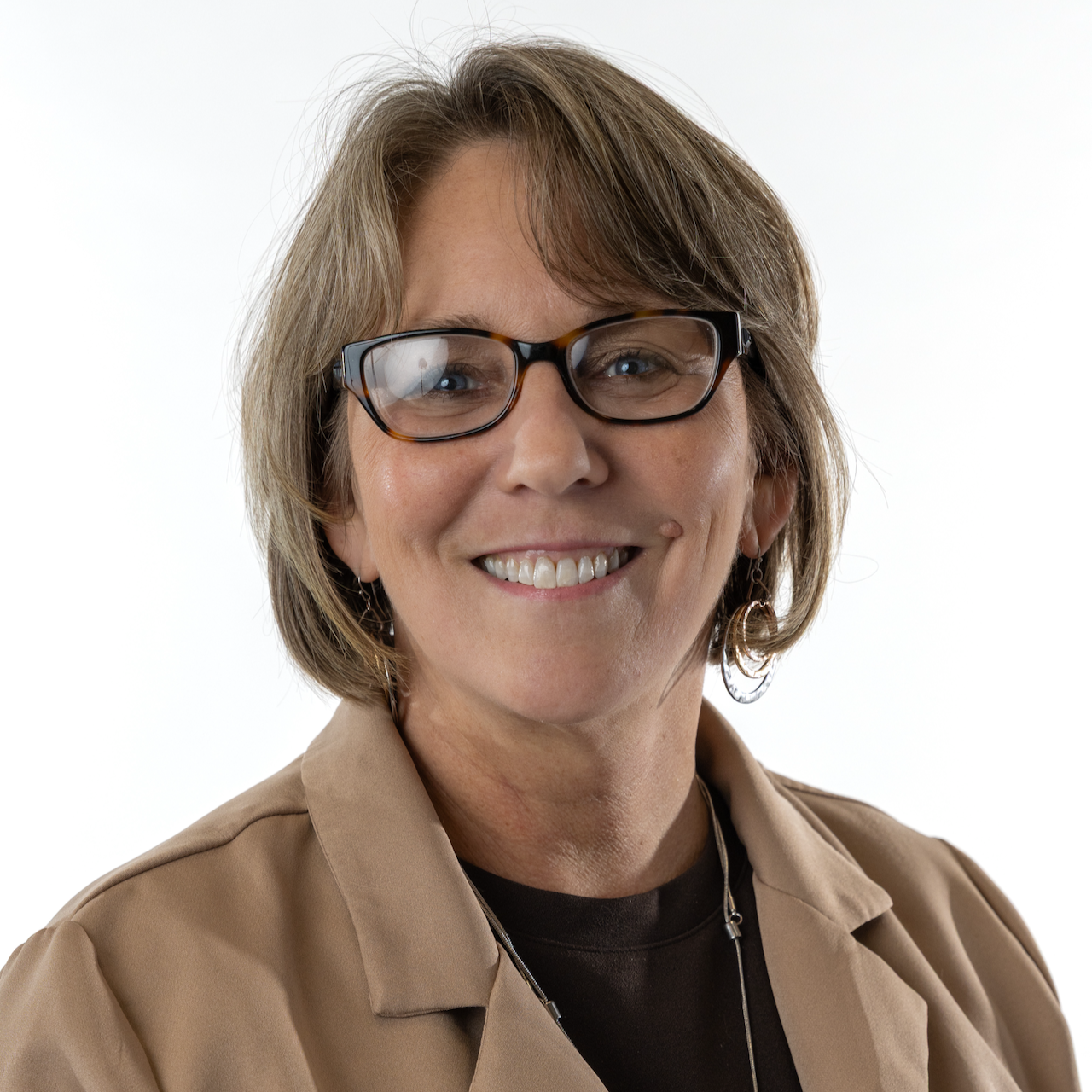
Nursing Program Director / Chair

Shannon Gauvin

Shannon Gauvin

Director of Nursing
Program Coordinator of Nursing

207.621.3466

shannon.gauvin@maine.edu

Clinical Placement Coordinator

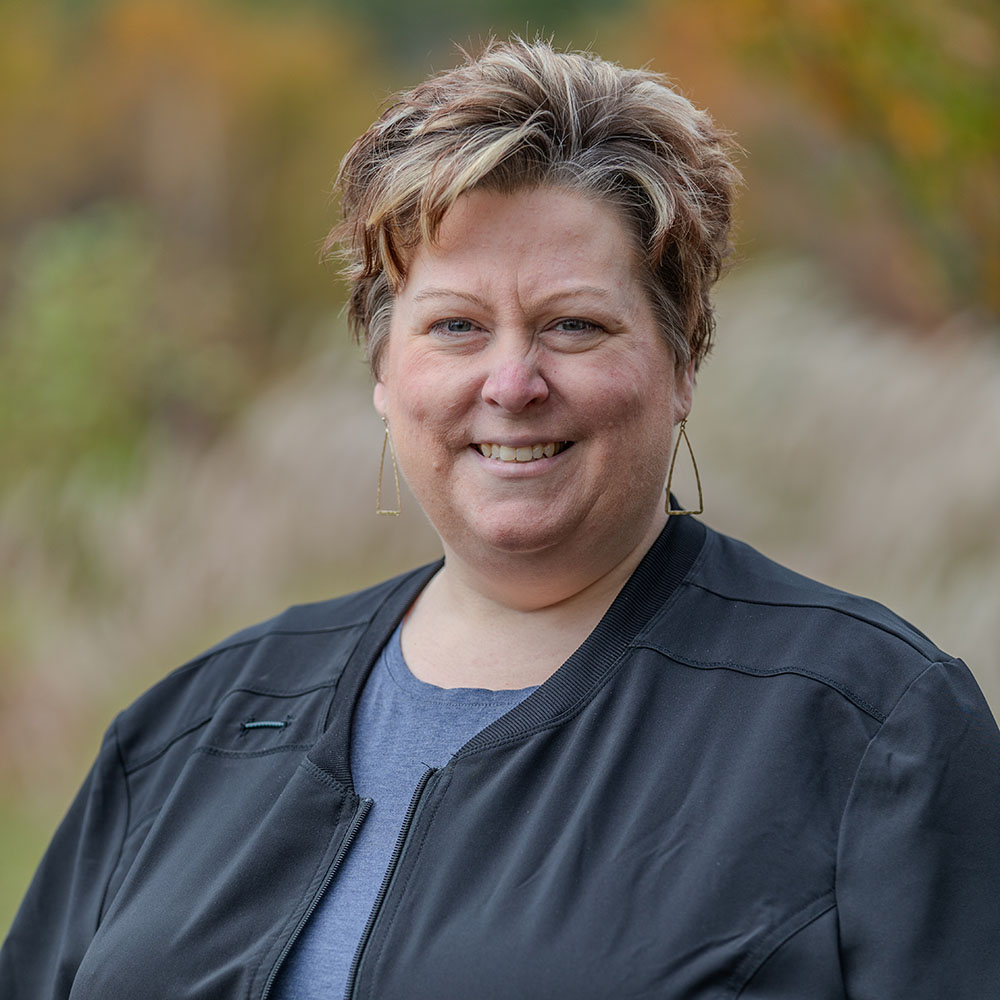
erin bellaire 1000x1000

Erin Bellaire

Clinical Coordinator

erin.bellaire@maine.edu