
“Be among the first to achieve”
TRIO Scholars is student support services funded by a federal grant to serve students who are first in their families to earn a bachelors degree, using accommodations to access their learning and classrooms, or using a larger amount of financial aid to attend university. TRIO is a department that amplifies and intensifies many services found on campus and focuses specifically on helping students sign up for classes, navigate financial aid, FAFSA, and economic literacy, as well as amplifies tutoring and exploration of graduate school. Additionally, TRIO Scholars teaches COL 123, a UMA first-year initiative class worth 3 credits, and SSC 317 a Leadership Seminar worth 3 credits that TRIO students may access at no cost.
United States Department of Education TRIO Student Support Services
TRIO SSS Eligibility Criteria
Through a grant competition, funds are awarded to institutions of higher education to provide opportunities for academic development, assist students with basic college requirements, and to motivate students toward the successful completion of their post-secondary education. Student Support Services (SSS) projects also may provide grant aid to current SSS participants who are receiving Federal Pell Grants. The goal of SSS is to increase the college retention and graduation rates of its participants. Link: https://www.ed.gov/grants-and-programs/grants-higher-education/trio/student-support-services-program#home
To enroll in TRIO SSS you must be a citizen or permanent resident of the United States and meet at least one of the following:
- Be a “First Generation” student in college,
- Meet Federal income guidelines for financial aid, or
- Have a documented disability.
TRIO SSS Purpose
TRIO is a student support program that provides a sense of community and empowers students to achieve their educational and personal goals.
United States Department of Education
“Our mission is to promote student achievement and preparation for global competitiveness by fostering educational excellence and ensuring equal access.”
The US DOE Office of Post-secondary Education works to strengthen the capacity of colleges and universities to promote reform, innovation, and improvement in post-secondary education, promote and expand access to post-secondary education and increase college completion rates for America’s students, and broaden global competencies that drive the economic success and competitiveness of our Nation.
TRIO SSS Services
All SSS projects must provide: academic tutoring, which may include instruction in reading, writing, study skills, mathematics, science, and other subjects; advice and assistance in post-secondary course selection, assist student with information on both the full range of student financial aid programs, benefits and resources for locating public and private scholarships; and assistance in completing financial aid applications. Education or counseling services designed to improve the financial and economic literacy and assist students in applying for admission to graduate and professional programs; and assist students enrolled in two-year institutions and applying for admission to, and obtaining financial assistance for enrollment in four-year programs. The SSS projects may also provide individualized counseling for personal, career, and academic information, activities, and instruction designed to acquaint students with career options; exposure to cultural events and academic programs not usually available; mentoring programs, securing temporary housing during breaks for students who are homeless youths and students who are in foster care or are aging out of the foster care system.
Augusta Campus
33 Katz Library
46 University Drive
Augusta, Maine 04330
(207) 621-3501
Bangor Campus
205 Belfast Hall
85 Texas Avenue
Bangor, Maine 04401
(207) 262-7820
TRIO Scholars Staff
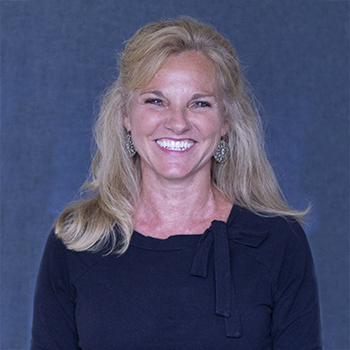
Lena has worked in higher education for 30 years, focused primarily on student support services, teaching and advising. With 12 years experience as a TRIO Director, at a previous institution, her primary focus has been working with high-risk students, in particular, low-income, first-generation and students with disabilities. She earned a Master of Library & Information Science degree from University of South Carolina and a Post-Master’s CAS in Adult Learning in Higher Education from University of Southern Maine. Her latest publication co-authored with Dr. Gilbert Michaud in the March 2018 edition of Academic Leader is titled “Academic Advisors Need to Better Comprehend College Readiness to Develop Strategies for Student Success.”
Lena is passionate about assisting students in the development of a meaningful educational plan compatible with their life goals and guiding them as they transition towards academic success. Please feel free to reach out to Lena anytime you need assistance.
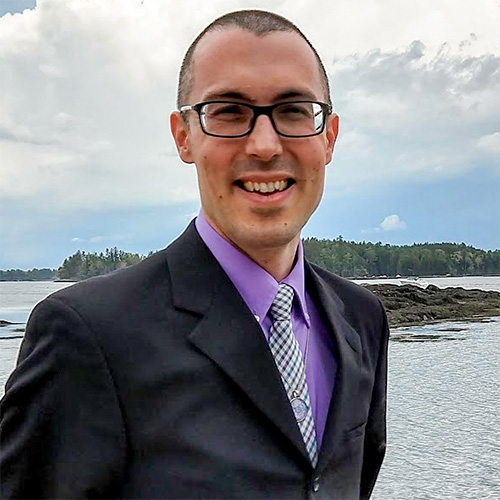
Michael began working for the UMA TRIO Scholars Program as an Academic Tutor V in 2015 and became a College Success Counselor in 2018.
Previously, he worked for the University of Hawaii at Manoa’s Center on Disability Studies as an academic coach in a TIPSID program as well as a grant writer focused on disability employment initiatives. Michael has an Associates of Liberal Arts from Kapiolani Community College, a Bachelor of Arts in American History from the University of Hawaii at Manoa, and a Graduate Certificate in Interdisciplinary Disability Studies from the University of Maine.
Michael serves as the Secretary of the Greater Bangor Area Branch NAACP and sits on the Steering Committee for Indivisible Bangor. Michael’s hobbies include petting dogs, complex strategy board games, 4X and roguelike video games. His academic interests include Labor History, Economics, Disability Studies, Leadership Studies, and Political Science.
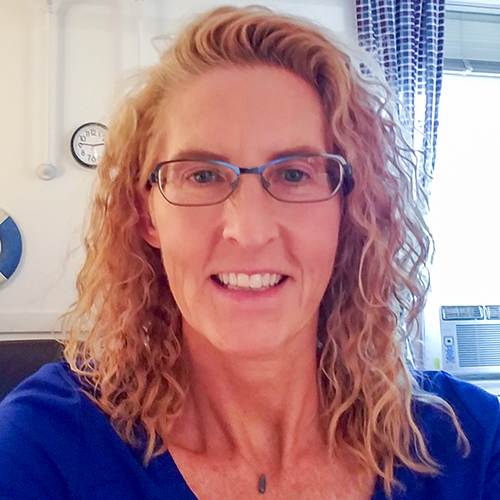
Hi! I’m Tanya, and I’m a College Success Counselor with TRIO Student Support Services located on the Augusta campus. My favorite part of my job is helping students figure out the “Okay…now what?” moments that come with college—and life!
I’ve spent more than 20 years working in education, counseling, career development, and training, which means I’ve worked with just about every kind of learner you can imagine. I’ve been a school counselor, an adult education counselor, a college student navigator, a transitions advisor, and even a corporate trainer. Along the way, I’ve learned that there’s rarely just one “right” path to reaching your goals.
At TRIO, I help students with academic planning, career and college advising, workshops, and connecting with the resources they need to succeed. I also get to work with our amazing peer coaches and tutors. Whether you’re trying to choose a major, figure out your next step, get organized, or just need someone to help you think things through, I’m here for you.
I have a Master’s degree in School Counseling from Salem State College and a Bachelor’s degree in Business Administration from Saint Joseph’s College. I’m a big believer that learning doesn’t stop when you leave the classroom—and that sometimes the best advice starts with a good conversation. Outside of work, I love spending time outdoors when the weather is nice—especially at the beach or the lake. I’m also a proud cat Mom, so there’s a good chance I’ll happily show you a cat picture if you ask!
My goal? To help you find your path, believe you belong on it, and give you a little extra support along the way.
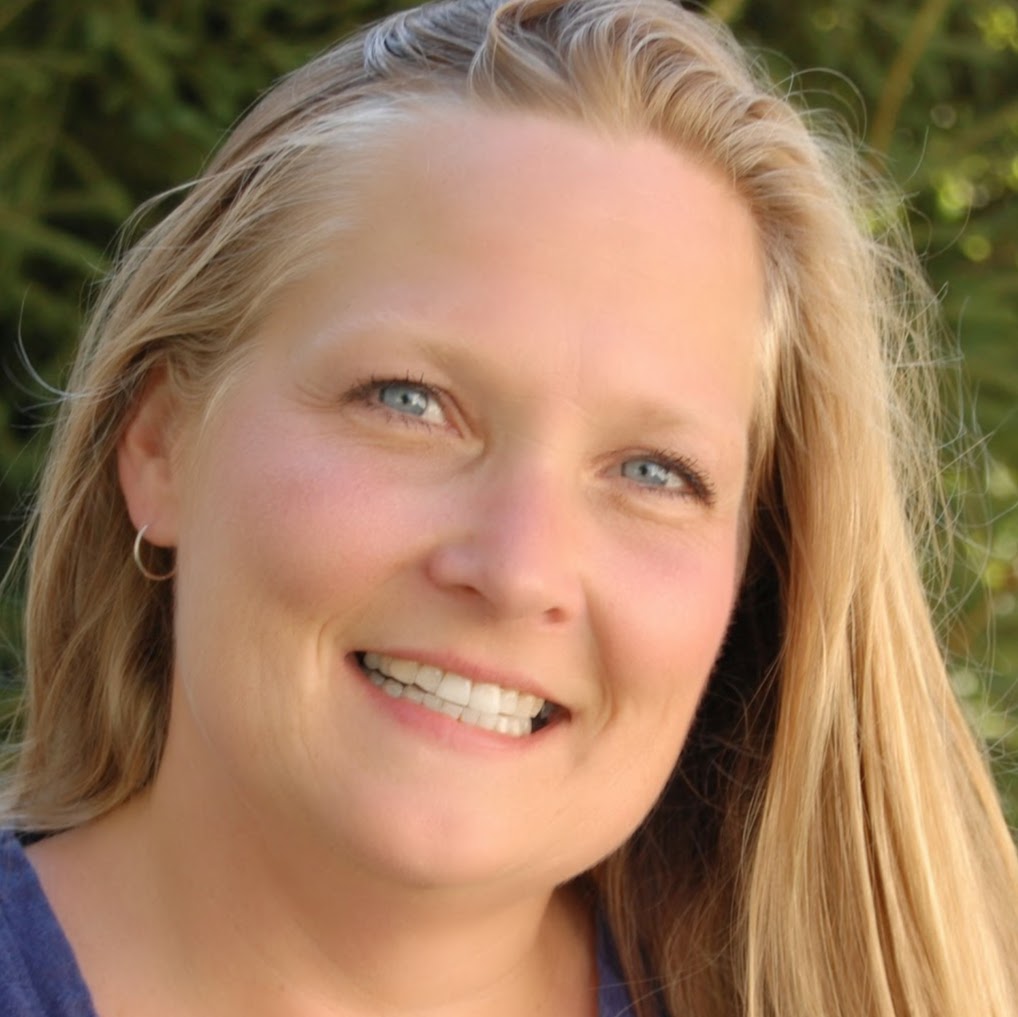
Laurel began working for the UMA TRIO Scholars Program in 2011 as an Academic Tutor in Mathematics and became a College Success Counselor in 2014.
Laurel is a University of Maine at Augusta Alum, graduating Magna Cum Laude with a Bachelor of Science in Business Administration with a concentration in Financial Accounting. Laurel is also a TRIO Scholars Program Alum, attributing her high academic success to the community gained through participating in the TRIO Scholars Program.
Laurel enjoys reading, crafting, and spending time with her grandchildren.
“I have the great privilege of supporting students who are changing their own lives, but maybe more importantly, changing the lives of their children and often entire families. This is the most rewarding career that I could have ever imagined.”
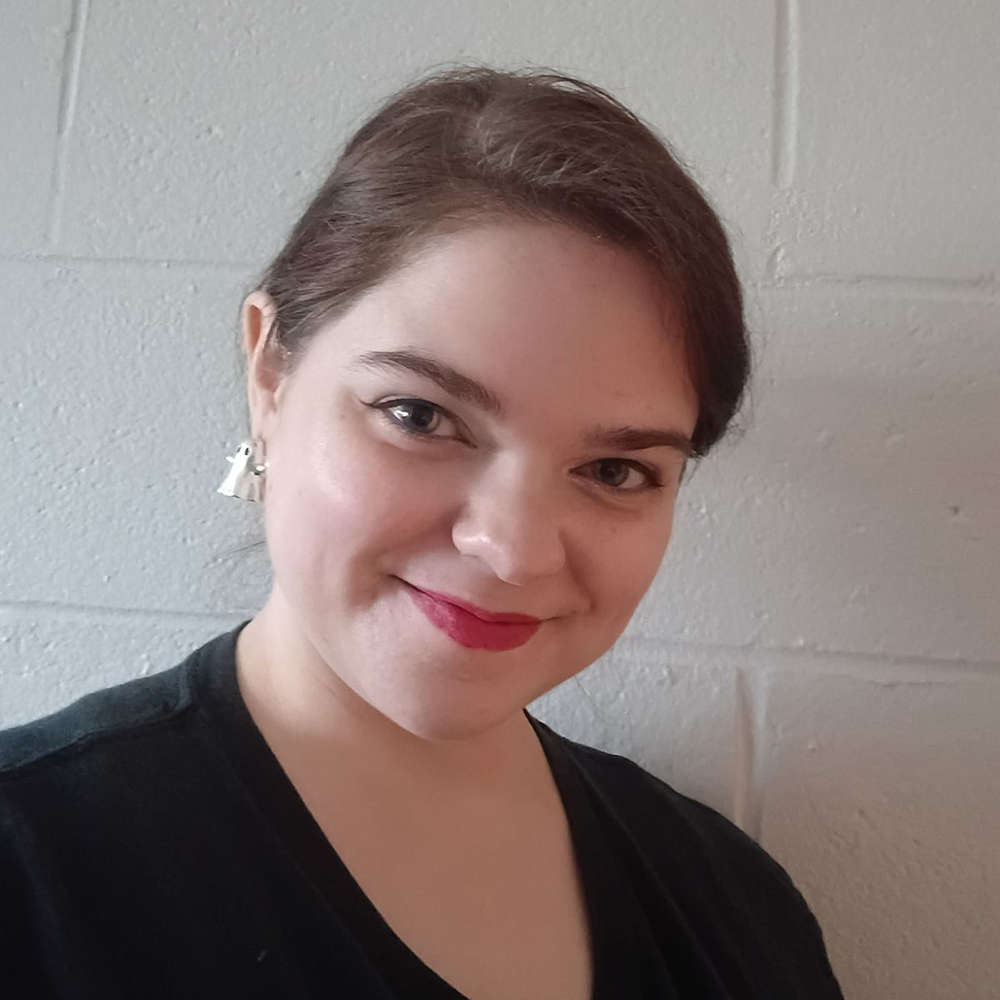
Hi! I’m a tutor with a pretty diverse educational background that’s shaped how I work with students. I’ve got an Associate degree in Criminal Justice and another in Human Services, a Bachelor’s in Liberal Studies, and both a Graduate Certificate and a Master’s in Trauma-Informed Emergency Management. That combination of studies has given me a pretty solid foundation across a lot of different subjects.
My tutoring expertise spans history (HTY courses), justice studies (JUS courses), social sciences (SSC courses), psychology (PSY courses), sociology (SOC courses), education (EDU courses) and human services (HUS courses). I’m equally equipped to help with English (ENG) and writing, where I focus on clarity and critical thinking. Additionally, I tutor biology courses through BIO 235 and math courses up to and including MAT 115, and also MAT 130 and 131. If you need help with a course that is not listed here, please let me know! I can probably still help you with it.
I’m not here to make you feel dumb or rushed. I’m here because I actually like helping people figure stuff out and feel more confident with material that maybe seemed impossible before. Please reach out to me at grace.e.freeman@maine.edu I’m always happy to chat!
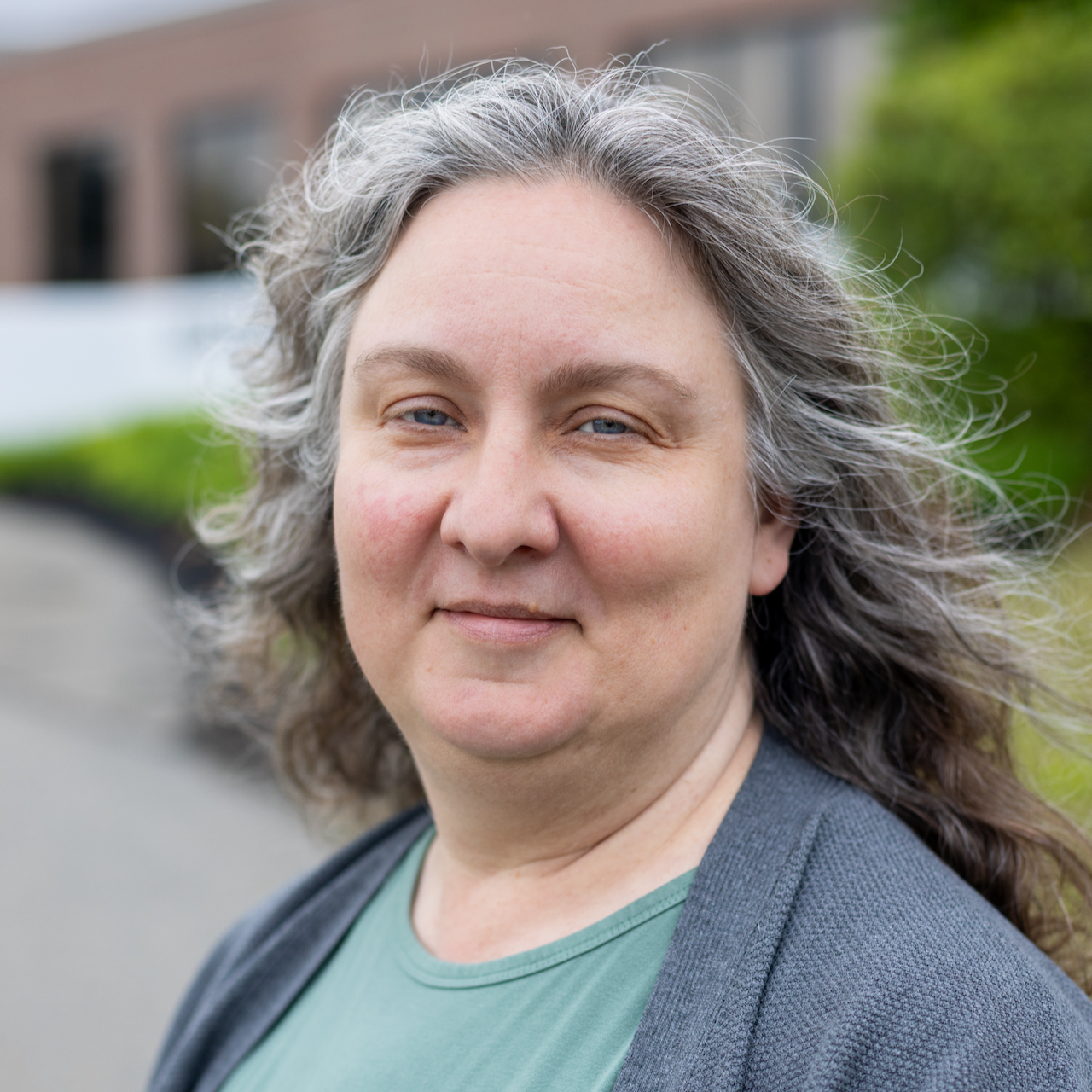
Karen is the administrative specialist for the University of Maine at Augusta TRIO Student Support Services program. An avid lifelong learner, she has worked in education for more than 20 years. Her diverse background includes roles as an adult educator, a high school registrar, and a decade in administrative support roles. A proud graduate of the University of Maine at Farmington, Karen still lives in the Farmington area with her family and is excited to support students on their educational journeys.
One of TRIO’s critical goals is to help students track and manage their school expenses, make solid financial decisions about funding school, and to explore all options for reducing the costs of school in order to graduate with the least debt possible. Important to this mission are TRIO’s and UMA’s commitments to offer grant aid, scholarships, work study, student employment, and alternative pathways such as our Volunteer Tuition Waiver program. If you have any questions about how to access these resources, be sure to contact your College Success Counselor and/or Peer Coach for more information!
- Adult Degree Completion Scholarship
- Be[e] Money Wi$e
- Complete your FAFSA here
- Consumer Financial Protection Bureau education resources
- Higher Opportunity for Pathways to Employment (HOPE)
- New Ventures Maine
- TRIO tuition reimbursement for successful completion of COL 123
- TRIO tuition reimbursement for successful completion of SSC 317
- UMA Prior Learning Assessment
- UMA Scholarship Opportunities
- UMA Volunteer Tuition Waiver Program
- UMA Work Study Positions
- Maine Educational Opportunity Center (MEOC)
COL 123: Learning and the College Community
Course Description: This course introduces students to the resources, practices, and habits of mind necessary for success in college. The focus will be on the role of educational skills/behaviors in preparing students to be successful in their civic and personal lives and gives particular attention to the topics of diversity and difference as a central characteristic of the contemporary world. Students will consider the relevance of this topic to their personal, academic, and civic lives. Students will have the opportunity to reflect on the links between their own stories—what has brought the student to this point in their personal and academic life—with the values and goals that motivate educational and career pursuits. This course asks students to reflect upon their responsibilities as a member of the course, college, and community.
Credit Hours: 3.0
Prerequisites: None
Student Learning Outcomes: Upon successful completion of COL 123, the students will be able to
- Identify how structural-level inequities may affect higher education experiences and outcomes, as well as how individuals’ social positions affects their challenges and opportunities for negotiating cultural differences;
- Demonstrate growth of effective personal behaviors (e.g., learning preferences, time management, flexibility, goal-setting) and executive functions (e.g., memory, stress management) in college-level study and critically examine individual-level responses to systems of inequity;
- Associate academic behaviors (e.g., test preparation, note taking, reading effectively, communication with college community) with accomplishment in assignments, courses, and programs of study;
- Identify and utilize campus resources (e.g., libraries, academic advising, career resources) meaningfully toward academic accomplishment;
- Articulate values and dispositions for college completion, campus community, and career planning (e.g., benefits of higher education, clarifying personal values).
Methods of Evaluation: To be determined at the professional discretion of the instructor with respect to intellectual freedom and pedagogical innovation. Some methods of evaluation may include, but are not restricted to:
- Exams
- Quizzes
- Homework Assignments
- Individual and Group Activities
- Papers
Methods of evaluation may shift depending on student and/or instructor needs.
Effective Date: Fall 2022
SSC 317: Leadership Seminar
Course description:This course provides emerging and existing leaders the opportunity to explore the concept of leadership, to develop, and to improve their leadership skills. Emphasis is on the application of theory in case studies, readings, films, and personal experience.
Credit Hours: 3.0
Prerequisites: ENG 101, any COM, and SOC 101 or PSY 100
Student learning outcomes: Upon successful completion of SSC 317, students will be able to
- Identify the characteristics and the actions of popular and noteworthy leaders
- Analyze and evaluate different leadership models
- Compare and contrast leaders utilizing a scholarly model
- Critically analyze leadership activities distinguishing between dark and light activities
- Discover and evaluate personal leadership skills that will formulate a plan of growth
- Discuss the ethics of leadership as a means of practice
- Create a personal strategy to manage conflict in relation to leadership
- Critique the positive and negative traits and characteristics–not actions–of leaders
- Evaluate and select at least one leadership model that fits personal style
- Create a foundation plan that informs personal leadership skills incorporating leadership ethics
- Debate a position of an outstanding leader
- Design a course of action that will adjust to various conflicts in the leadership environment
Methods of Evaluation are to be determined at the professional discretion of the instructor with respect to intellectual freedom and pedagogical innovation. Some methods of evaluation may include, but are not restricted to
- Class participation
- Presentations
- Written assignments
- Discussion boards
Methods of evaluation may shift depending on student and/or instructor needs.
Effective Date: 20 May 2014